Gardens are no longer just outdoor spaces — they’re extensions of the home. In 2026, the emphasis is on usability, sustainability, and biodiversity, transforming gardens into functional environments for relaxation, socialising, and even food production.
Climate-Conscious Landscaping
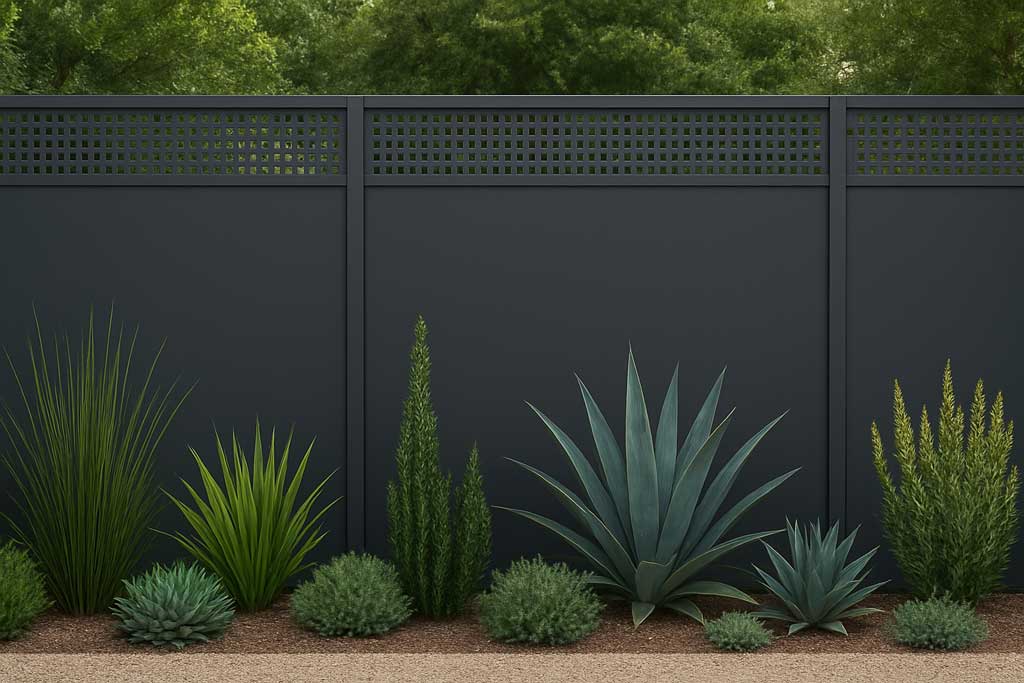
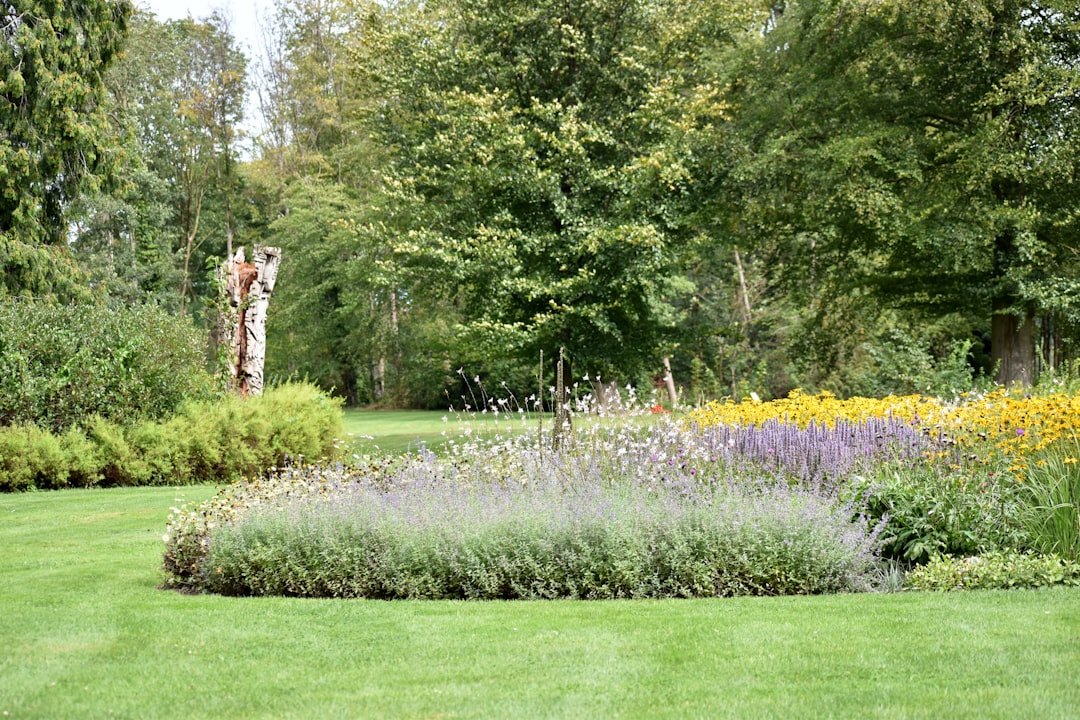
As climate patterns become less predictable, drought-resistant planting schemes are taking priority. Native species and hardy perennials are replacing water-intensive lawns, reducing maintenance while supporting pollinators and local ecosystems.
Popular sustainable features include:
- Rainwater harvesting systems
- Permeable paving
- Composting zones
- Wildflower borders
- Green roofs and vertical planting
Rewilding continues to influence garden layouts, with homeowners opting for layered planting styles that mimic natural landscapes rather than traditional manicured beds.
Outdoor Rooms and Zoning
The concept of outdoor “rooms” is becoming increasingly sophisticated. Pergolas, sunken seating areas, fire pits, and outdoor kitchens help divide gardens into purposeful zones for dining, entertaining, and unwinding.
Lighting plays a key role in extending usability beyond daylight hours. Low-level LED path lights, solar lanterns, and integrated deck lighting can create atmosphere while improving safety.
There’s also growing interest in edible gardens — raised beds, espalier fruit trees, and herb walls allow homeowners to grow their own produce even in smaller urban spaces.
In short, today’s garden is a living, breathing extension of the home that balances beauty with environmental responsibility.