
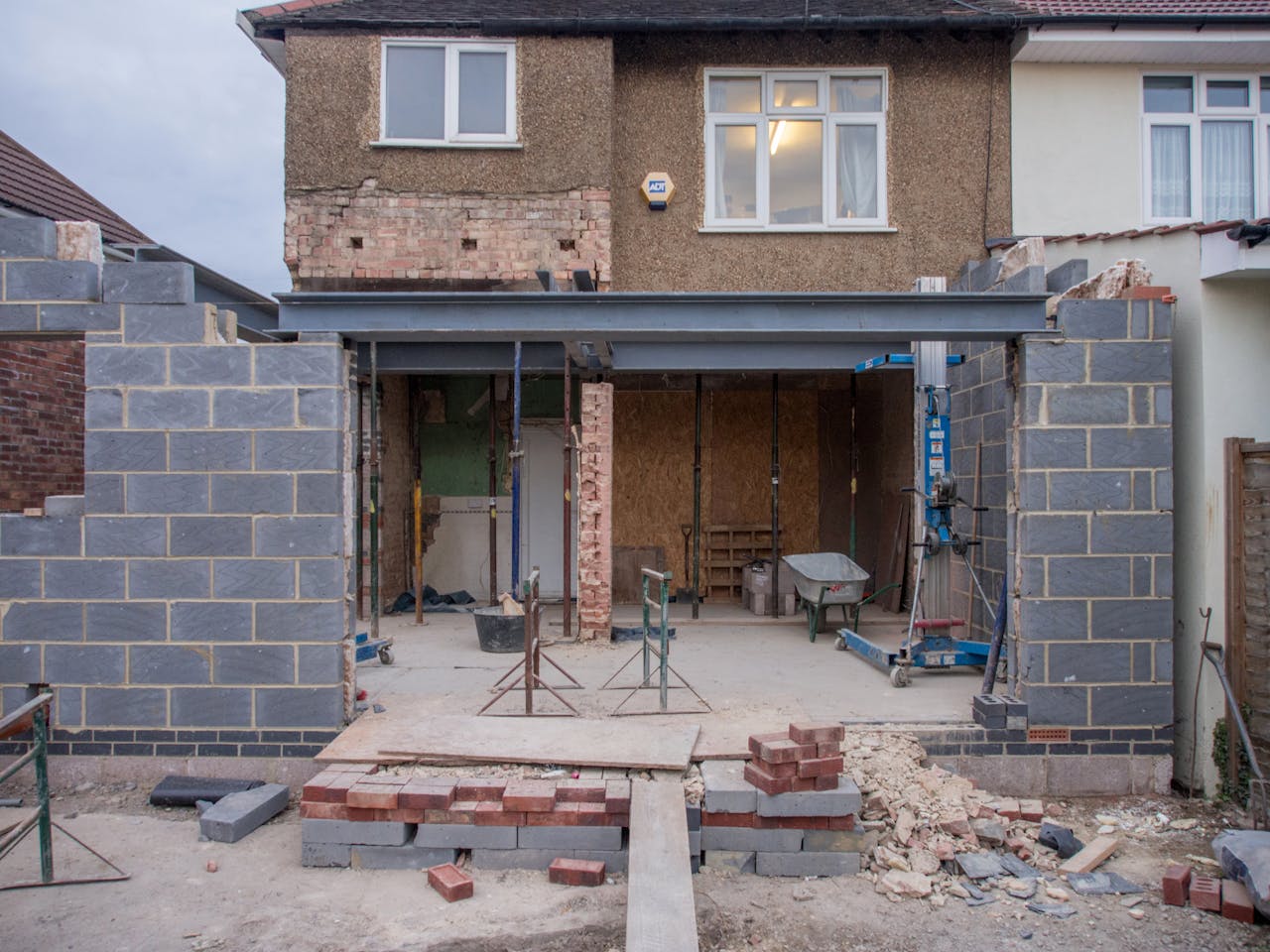
The construction industry is undergoing a significant transformation, driven by advances in technology, sustainability goals, and changing homeowner expectations. Efficiency, resilience, and environmental impact are now central considerations in both residential and commercial building projects.
Modern Methods of Construction (MMC)
Modern Methods of Construction are becoming mainstream, offering faster build times and reduced material waste. Prefabricated panels, modular components, and off-site manufacturing improve quality control while minimising disruption on site.
MMC benefits include:
- Shorter construction timelines
- Improved energy efficiency
- Reduced labour requirements
- Lower carbon emissions
- Consistent build quality
Sustainable Materials Gain Momentum
Sustainable alternatives to traditional building materials are gaining popularity. Cross-laminated timber (CLT), recycled steel, hempcrete, and low-carbon concrete are helping reduce the environmental footprint of new builds.
Energy efficiency is also driving innovation in insulation, glazing, and airtightness standards. Smart construction techniques — such as passive house design principles — allow homes to maintain comfortable temperatures with minimal energy use.
Smart Technology Integration
Future-ready buildings now include integrated smart systems from the ground up. From energy monitoring to automated ventilation and lighting, technology is improving both performance and user comfort.
As regulations evolve and sustainability targets become stricter, construction in 2026 is set to prioritise not only how buildings are made — but how they perform for decades to come.